

You just attach a drill brush with drill, switch it on, and let the brush do the hard work. Many people say this tool saves a lot of time and effort during cleaning. You get deep results without scrubbing by hand. The process feels simple and works on many surfaces in your home. You do not need special skills—just follow a few steps and you can clean like a pro.
Key Takeaways
A cleaning drill brush attaches to your drill, making cleaning faster and easier. It saves time and effort compared to scrubbing by hand.
Choose the right brush based on the surface you are cleaning. Soft bristles work for delicate areas, while stiff bristles tackle tough grime.
Always prepare your surface before cleaning. Vacuum or sweep first, select a suitable cleaning solution, and dampen the area if needed.
Use gentle, steady motions while cleaning. Let the drill brush do the work without applying too much pressure to avoid damage.
Regularly clean and maintain your drill brush to extend its life and ensure effective cleaning results.
What Is a Cleaning Drill Brush?
A cleaning drill brush is a special brush that you can attach to your drill. You use it to scrub away dirt, stains, and grime from many surfaces. The spinning motion helps you clean faster and more deeply than scrubbing by hand. You can use these brushes in your kitchen, bathroom, garage, or even outside.
Types of Cleaning Drill Brushes
You will find many types of drill brushes. Some have soft bristles for gentle surfaces, while others have stiff bristles for tough jobs. Here are some common materials used in these brushes:
Nylon: Durable and great for everyday cleaning.
Polypropylene: Stiff and resists moisture.
Brass: Good for light cleaning and finishing.
Stainless Steel: Works well for heavy-duty scrubbing.
Polyethylene: Soft and does not scratch.
Silicon Carbide: Used for metal finishing.
Polyester: Handles high temperatures.
You can pick a brush based on the surface you want to clean. For example, use a soft brush for wood and a stiff one for tile or metal.
Tip: Always check the brush material before you start. This helps you avoid scratches or damage.
Why Use a Power Drill for Cleaning
You might wonder why you should use a power drill instead of scrubbing by hand. The answer is simple—speed and power. The spinning brush does most of the work for you. You save time and energy, and you get better results.
Cleaning Method |
Effectiveness |
Time Efficiency |
|---|---|---|
Power Drill (Electric) |
Offers effective cleaning with various attachments |
|
Manual Scrubbing |
Relies on physical effort and may be less effective |
More time-consuming |
You can tackle tough stains on tiles, sinks, and even car wheels. The drill brush also works on delicate surfaces if you choose the right bristle type. Just remember to wear impact-resistant goggles and make sure the brush is attached tightly to your drill for safety.
Choose the Right Drill Brush with Drill
Brush Materials and Bristle Types
You want the best results from your drill brush, so start by looking at the bristle material. Each type works better for certain jobs. Nylon bristles handle everyday cleaning and gentle sweeping. Polypropylene bristles are tough and work well for heavy-duty tasks. If you need precision, silicon carbide bristles do a great job. Some brushes even have special designs. For example, zig-zag bristles remove more dirt than flat ones.
Here’s a quick look at how bristle design affects cleaning:
Bristle Design |
Cleaning Efficacy |
Statistical Significance |
|---|---|---|
Zig-Zag |
High |
P < 0.05 |
Flat |
Low |
P > 0.05 |
You can also find specialty brushes for grout lines or tiles. These options make your drill brush more versatile.
Matching Brush to Surface
Not every brush fits every surface. You need to match the brush to the material you want to clean. Here are some quick tips:
Wood: Use a soft-bristled brush and mild soap.
Metal: Treat brass gently, but you can scrub stainless steel harder.
Plastic: Stick with mild soap and lukewarm water.
Tiles: Glossy tiles can handle stronger scrubbing.
If you want to reach tight spots, try an extended reach attachment. You can also switch between different brush heads for big or small areas.
Tips for Delicate Surfaces
Delicate surfaces need extra care. Always pick a soft brush for these spots. Softer bristles help prevent scratches. If you use a stiff brush or press too hard, you might damage the surface. Take your time and check the manufacturer's advice before you start cleaning.
Tip: Test your drill brush on a small hidden area first. This helps you avoid unwanted marks or scratches.
How to Use a Drill Brush with Drill
Prepare the Surface and Tools
You want to get the best results from your cleaning drill brush. Start by preparing your space and tools. Here’s a simple checklist to follow before you start scrubbing surfaces:
Vacuum or Sweep First
Remove loose dirt, dust, and debris from the area. This step helps your drill brush with drill work better and keeps bristles from getting clogged.Choose the Right Brush
Pick a brush with the right bristle stiffness for your surface. Softer bristles work well on delicate areas like leather or upholstery. Stiff bristles tackle grout, tile, and tough grease.Select a Suitable Cleaning Solution
Use a cleaner that matches your surface. For tiles or bathtubs, grab a bathroom cleaner. For upholstery, use a gentle soap. Always check if the cleaning solution is safe for your material.Wet the Area (If Needed)
Dampen the surface with water or cleaning solution. This helps loosen grime and makes cleaning easier.
Tip: Avoid using too much pressure. Let the rotating action of the drill brush do the cleaning. Pressing too hard can damage both the brush and the surface.
Attach the Brush to Power Drill
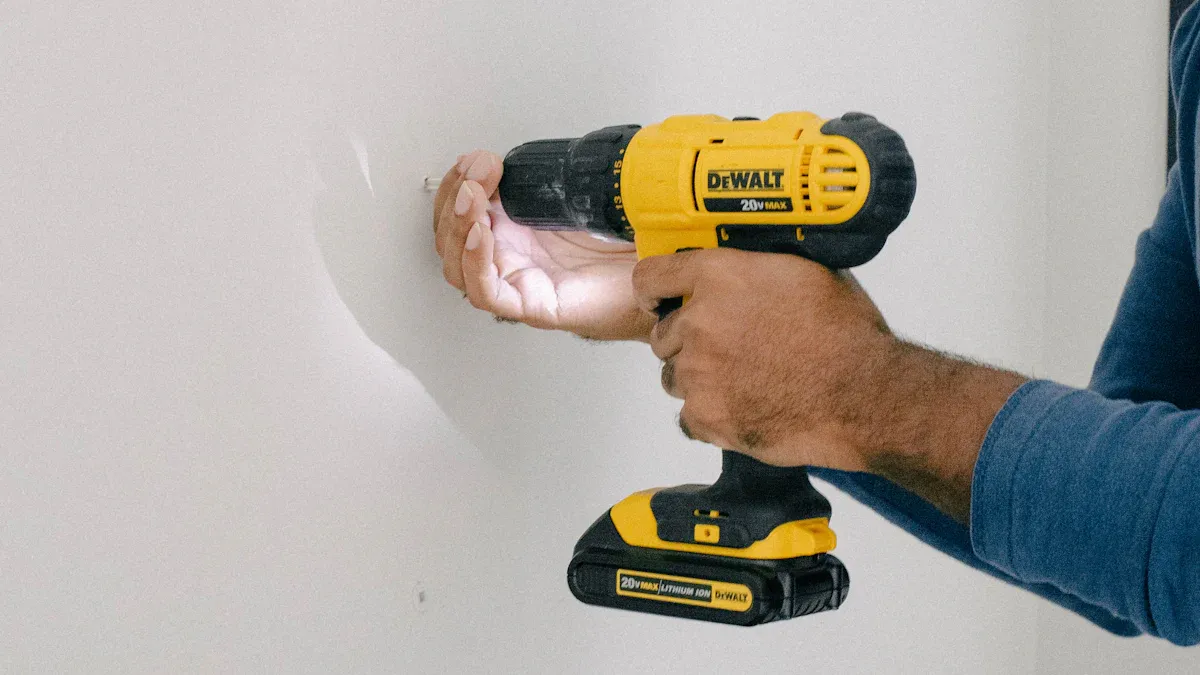
Now you’re ready to attach the brush to the drill. Most cleaning drill brush sets come with a simple attachment system. Here’s how you do it:
Insert the shaft of the brush into the chuck of your power drill.
Tighten the chuck until the brush feels secure.
Check that the brush is straight and won’t wobble when you start the drill.
Safety Alert: Always make sure the drill is off before you attach the brush to the drill. Wear goggles to protect your eyes from splashes or flying debris.
Cleaning Techniques and Motions
You can start scrubbing once everything is set up. Here’s how to clean with a drill brush with drill:
Apply your cleaning solution to the surface or directly onto the brush.
Hold the drill steady and turn it on at a low speed.
Move the brush in slow, circular motions. Cover the whole area evenly.
Let the brush do the work. Don’t press down too hard.
For stubborn spots, go over them a few times. Use a medium stiffness brush for most cleaning tasks.
Wipe away loosened dirt with a clean cloth or rinse the area with water.
Surface Type |
Brush Type |
Cleaning Solution |
|---|---|---|
Tile & Grout |
Stiff bristles |
Bathroom cleaner |
Upholstery |
Soft bristles |
Gentle soap |
Concrete |
Medium bristles |
Degreaser |
Leather |
Soft bristles |
Mild cleaner |
Note: Different tile types need special care. Glossy tiles can handle stronger cleaning methods. Matte or textured tiles may need a softer touch.
Post-Cleaning Care
After you finish cleaning, take care of your drill brush and cleaned surfaces. This helps your tools last longer and keeps your home spotless.
Rinse the brush under warm water to remove dirt and cleaning solution.
Apply dish soap to the bristles and scrub away any leftover grime.
Dry the brush completely. You can air dry, pat it with a towel, or spin it in the drill to fling out water.
Wipe the shaft with a cloth to prevent rust.
Store your cleaning drill brush and drill attachments in a dry place.
Tip: Regular maintenance means you won’t need to replace your cleaning attachments as often. Clean brushes work better and save you money over time.
Taking care of your drill brush with drill makes cleaning easier every time. You get deep results with less effort, and your tools stay in great shape for future jobs.
Benefits of Using a Cleaning Drill Brush
Time and Effort Savings
You want cleaning to be quick and easy, right? A cleaning drill brush helps you finish tough jobs much faster than scrubbing by hand. The spinning action of your power drill does most of the work for you. You just guide the brush and watch dirt disappear. You save energy and avoid sore arms. Many people notice that they spend less time on chores and get better results.
You tackle stubborn stains with less effort.
You clean large areas in minutes, not hours.
You avoid repeating the same motion over and over.
You can say goodbye to endless scrubbing. Let your cleaning drill brush handle the hard work.
Versatility for Different Surfaces
A cleaning drill brush works on many surfaces around your home. You can use it on tile, grout, sinks, tubs, car wheels, and even outdoor furniture. You just pick the right brush for each job. Soft bristles clean delicate surfaces, while stiff bristles handle tough grime. This tool adapts to almost any cleaning task.
Surface |
Recommended Brush |
Cleaning Solution |
|---|---|---|
Tile & Grout |
Stiff |
Bathroom cleaner |
Upholstery |
Soft |
Gentle soap |
Metal |
Medium |
Degreaser |
You get more value because you do not need to buy lots of different tools. The cleaning drill brush lasts a long time if you clean it regularly and handle it with care.
Professional Results at Home
You want your home to look spotless, just like a professional cleaned it. The cleaning drill brush gives you deep cleaning power. You reach into cracks and corners that regular brushes miss. Your surfaces look brighter and fresher. You also save money because you do not need to hire a cleaning service.
Cost savings due to durability and effectiveness.
Versatility in cleaning various surfaces.
Keep your cleaning drill brush in good shape. Rinse it after each use and store it in a dry place. This simple habit helps your brush last longer and keeps your cleaning results top-notch.
You get all these benefits of using a cleaning drill brush with just your drill and the right attachment. Try it once, and you may never go back to old cleaning methods.
You can get spotless results with a drill brush and a drill. Here’s a quick recap:
Prepare the surface by wetting it and adding your favorite cleaning solution.
Attach the brush securely to your drill.
Start scrubbing with gentle, steady motions.
Rinse and repeat if needed.
You will notice improved performance, cost savings, and longer-lasting tools. Try different brushes on new surfaces to see what works best. Give this cleaning method a shot and enjoy a sparkling home!
FAQ
Can I use any drill with a drill brush?
You can use most standard power drills with a drill brush. Make sure your drill has a chuck that fits the brush shaft. Cordless drills work best for easy movement.
Will a drill brush scratch my surfaces?
You avoid scratches by picking the right brush. Soft bristles clean delicate surfaces. Always test on a small spot first. If you see marks, switch to a softer brush.
What cleaning solutions work best with a drill brush?
You get great results with mild soap or surface-specific cleaners. For bathrooms, use tile cleaner. For upholstery, pick gentle soap. Always check the label for compatibility.
How do I clean my drill brush after use?
You rinse the brush under warm water. Add a little dish soap and scrub the bristles. Dry it completely before storing. Clean brushes last longer and work better.


