

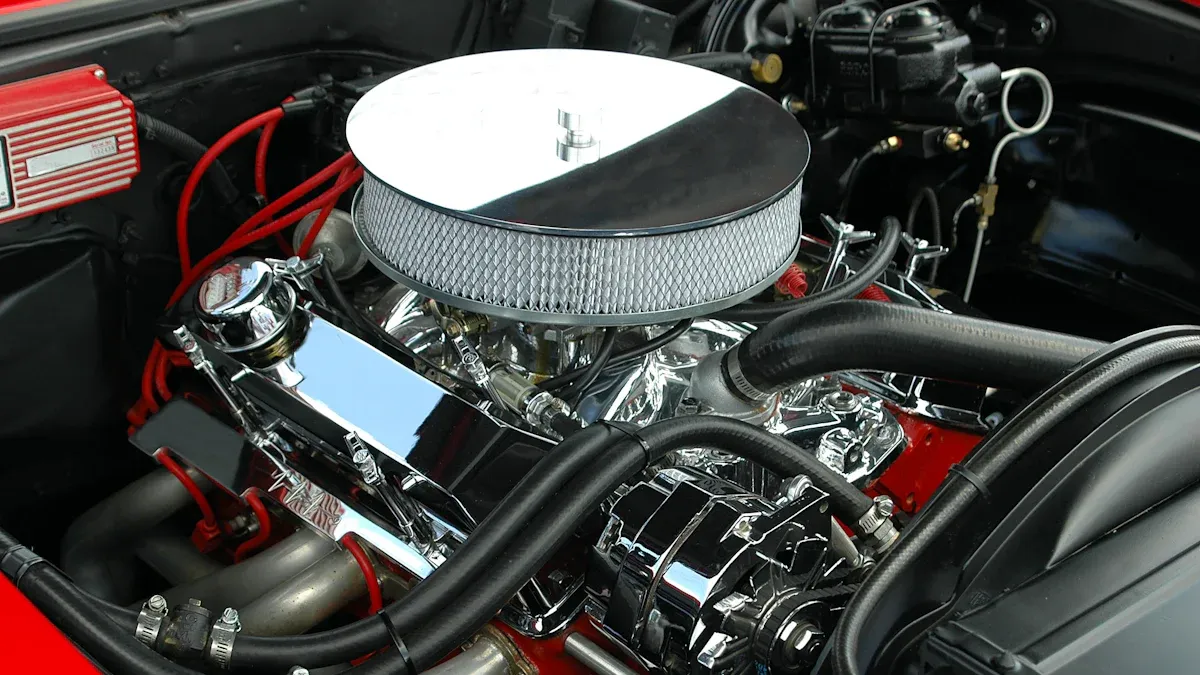
You can clean engine bay without feeling overwhelmed. Taking care of your car engine boosts maintenance and keeps everything running smoothly. When you clean the engine, you protect against corrosion and spot leaks early. Here’s why it matters:
Prevents damage and rust
Saves money by catching problems soon
Increases resale value
Key Takeaways
Regularly cleaning your engine bay prevents damage and rust, saving you money on repairs.
Always prioritize safety by letting the engine cool, disconnecting the battery, and working in a well-ventilated area.
Use the right tools, like a soft-bristle brush and engine degreaser, to effectively clean without damaging sensitive parts.
Preparation & Safety
Safety First
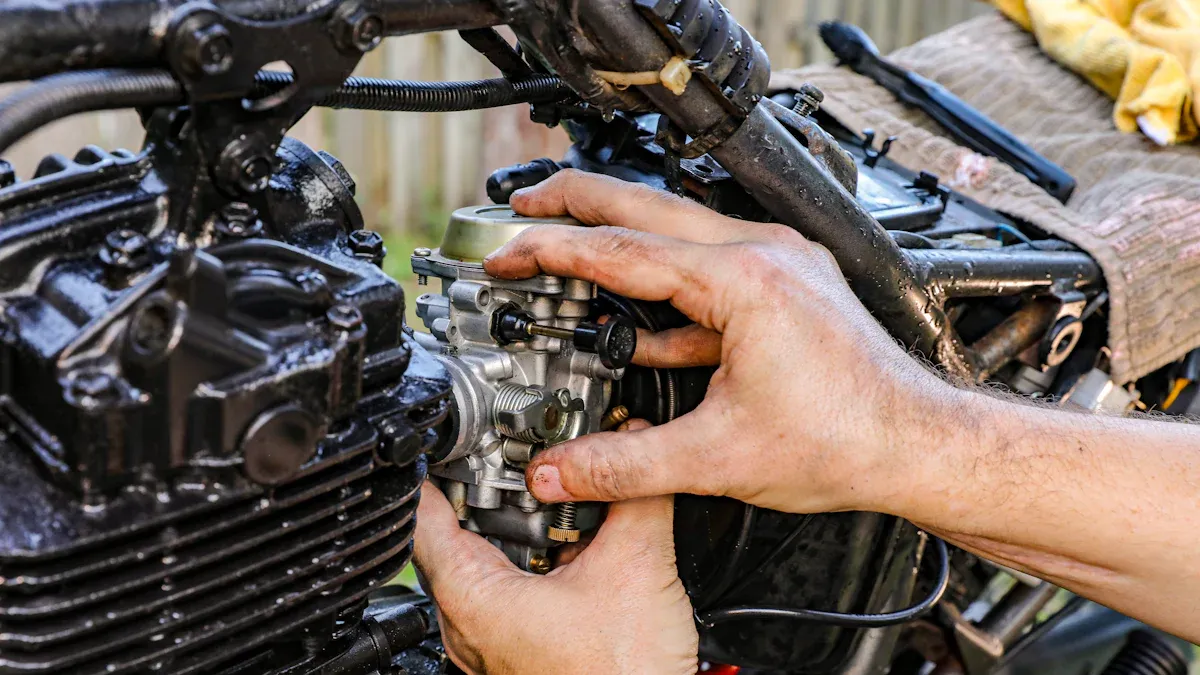
Before you start cleaning, you need to think about safety precautions. Always let the engine cool completely. A hot engine can burn you or cause cleaning products to dry too fast. Disconnect the battery if you want to avoid electrical problems. Not disconnecting the battery can damage sensitive parts and lead to expensive repairs. You should also work in a well-ventilated area to avoid breathing in fumes from cleaners.
Here’s a quick look at common hazards you might face:
Hazard Type |
Description |
|---|---|
Electrical Equipment Risks |
Electric shock from batteries and electrical systems. |
Slips, Trips, and Falls |
Injuries from spills or clutter in your workspace. |
Hazardous Substances |
Health risks from chemicals, dust, and fumes. |
Manual Handling Injuries |
Strains from lifting or moving heavy equipment. |
Gather Tools & Materials
You don’t need fancy gear to clean your engine compartment. Grab these items before you begin:
Safety goggles and gloves
Engine degreaser (look for one made for cars)
Soft-bristle brush
Microfiber towels
Plastic bags for covering parts
Hose with adjustable nozzle
Detailing brush set
Tip: Products like Super Soaper remove grease without damaging plastic. All Dressed Up gives hoses and rubber a clean look without making them slippery.
Protect Sensitive Parts
Some parts of your engine do not like water. Cover battery terminals, alternator openings, and exposed wiring with plastic bags or waterproof covers. Use shop towels to block the air intake system. Tape over fuse boxes and sensor plugs. This keeps water out and protects your engine from damage.
Component |
Protection Method |
|---|---|
Electrical Connections |
Plastic bags or wraps, tape for fuse boxes |
Intake System |
Shop towels or plastic wrap |
Alternator and Starter |
Shields or covers |
Sensitive Sensors |
Masking tape or waterproof material |
Taking these steps helps you avoid problems and keeps your engine running strong.
Clean Engine Bay Steps
Remove Loose Debris
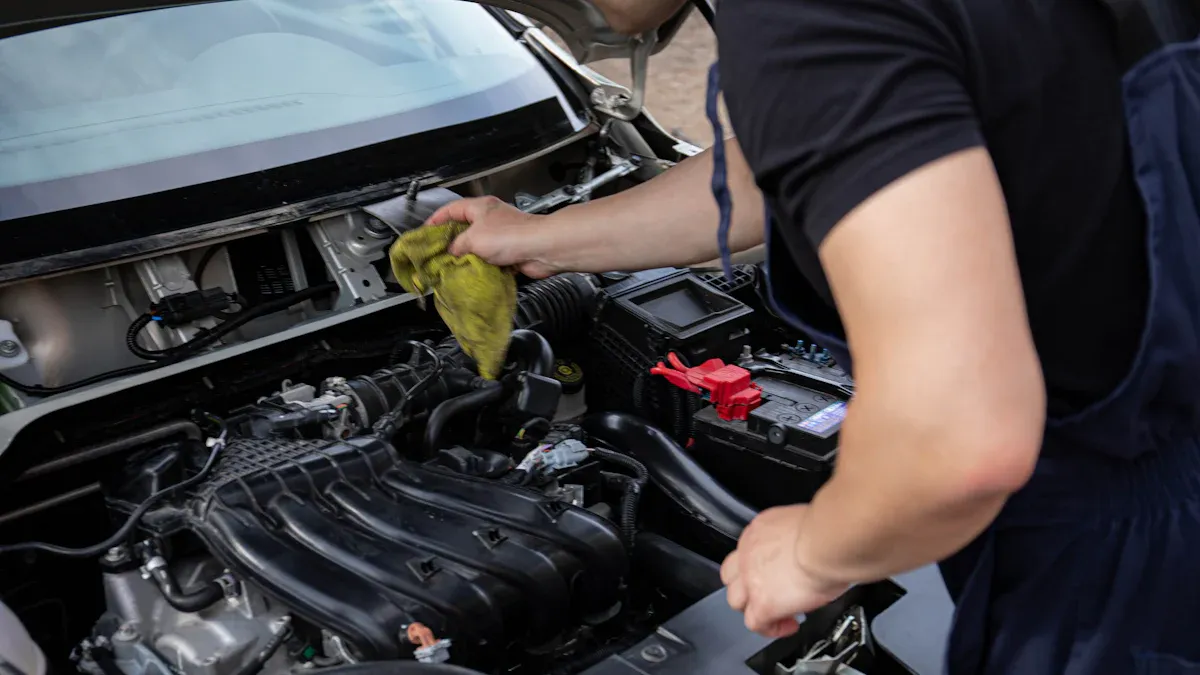
Start by getting rid of any loose dirt, leaves, or dust in your engine bay. You can use a vacuum or an air compressor for this step. If you have a needle-style attachment, it helps you reach tight spots. This makes the rest of the cleaning much easier and keeps grime from spreading around.
Tip: If you drive off-road or in dusty places, you might see more buildup. Use compressed air to blow out stubborn dirt before you move on.
Apply Degreaser & Soapy Water
Now it’s time to tackle the grease and grime. Pick a degreaser that works well for cars. Here’s a quick look at some top choices based on lab tests:
Degreaser Name |
Effectiveness/Comments |
|---|---|
Jolt |
Twice as effective as Purple Power, half the price. |
Simple Green |
Preferred choice, but hard to find in gallons. |
Zep Orange |
Good on painted surfaces, but caution advised. |
B52 Brown Bomber Soap |
Very good overall product, inexpensive. |
Oil Eater |
Effective in parts washer, recommended 50/50 mix. |
Spray the degreasing solution on the dirty areas. Let it sit for a few minutes so it can break down the grease. Be careful not to soak plastic parts or sensitive spots. If you want to be eco-friendly, look for products that are biodegradable. These cleaners break down safely and help protect the environment.
Note: Always cover your alternator, fuse box, and exposed wiring before spraying anything. This keeps your engine safe from water and chemicals.
Scrub & Wipe Down
Grab a soft detailing brush and start scrubbing from the top of the engine bay. Work your way down so gravity helps pull the grime away. Use gentle strokes, especially near wires and rubber seals. You don’t want to damage paint or sensitive parts. Microfiber towels work great for wiping up loosened dirt.
Don’t scrub too hard. Over-scrubbing can harm delicate parts.
Use brushes made for cars to avoid scratching surfaces.
If you find stubborn grease, try a little oven cleaner or a stronger degreaser, but always test on a small area first.
Remember: The goal is to clean engine bay surfaces, not make them super shiny. Too much shine can attract dust and make hoses slippery.
Rinse & Dry
When you’re ready to rinse, use a gentle stream of water. Avoid blasting water directly at electrical parts. Here’s how to rinse safely:
Use low water pressure, not a pressure washer.
Let the cleaning products and brushes do most of the work.
Rinse only to remove leftover soap and grime.
After rinsing, dry the engine bay as much as you can with towels. For hard-to-reach spots, a small air blower or a tool like the Metro Blaster Sidekick works wonders.
Block Quote:
After a thorough rinse, you can either dry the engine with a towel, which is time consuming, or you can use what I refer to as "my little friend." That little friend is the Metro Blaster Sidekick, and don't let its size fool you, this little thing packs quite a punch.
Let the engine bay air dry for about two hours before you remove any covers from sensitive parts or reconnect the battery.
Quick Tips for Off-Road and Light Dirt
If you drive off-road, your engine bay will need more attention. Mud and heavy dirt call for stronger cleaning. Use compressed air for the engine bay and a pressure washer for the undercarriage. Products like Gtechniq W4 Citrus Foam help with the first wash, and P&S Brake Buster works well on wheels. For light dirt, a quick wipe with a damp towel and a little soapy water might be all you need.
Tip: Protect surfaces with a spray like CarPro HydrO2. It makes future cleaning easier and keeps grime from sticking.
No matter where you drive, always check local rules before you clean engine bay at home. Some places require you to use a self-serve car wash to keep chemicals out of storm drains.
When you clean your car engine, you make it easier to spot leaks and keep parts safe from grime. Regular cleaning helps your engine last longer and boosts resale value. Stay safe, follow each step, and make engine bay cleaning part of your car maintenance. You’ll see the difference!
FAQ
Can I clean my engine bay with a pressure washer?
You should avoid using a pressure washer. High pressure can force water into electrical parts. Stick with a gentle hose or spray bottle for best results.
How often should I clean my engine bay?
You can clean your engine bay every three to six months. If you drive in dusty or muddy areas, you might want to clean it more often.
Do I need to disconnect the battery before cleaning?
Tip: Disconnecting the battery keeps you safe from electrical shorts. If you only do a light wipe-down, you can leave it connected. For deep cleaning, disconnect it.


