

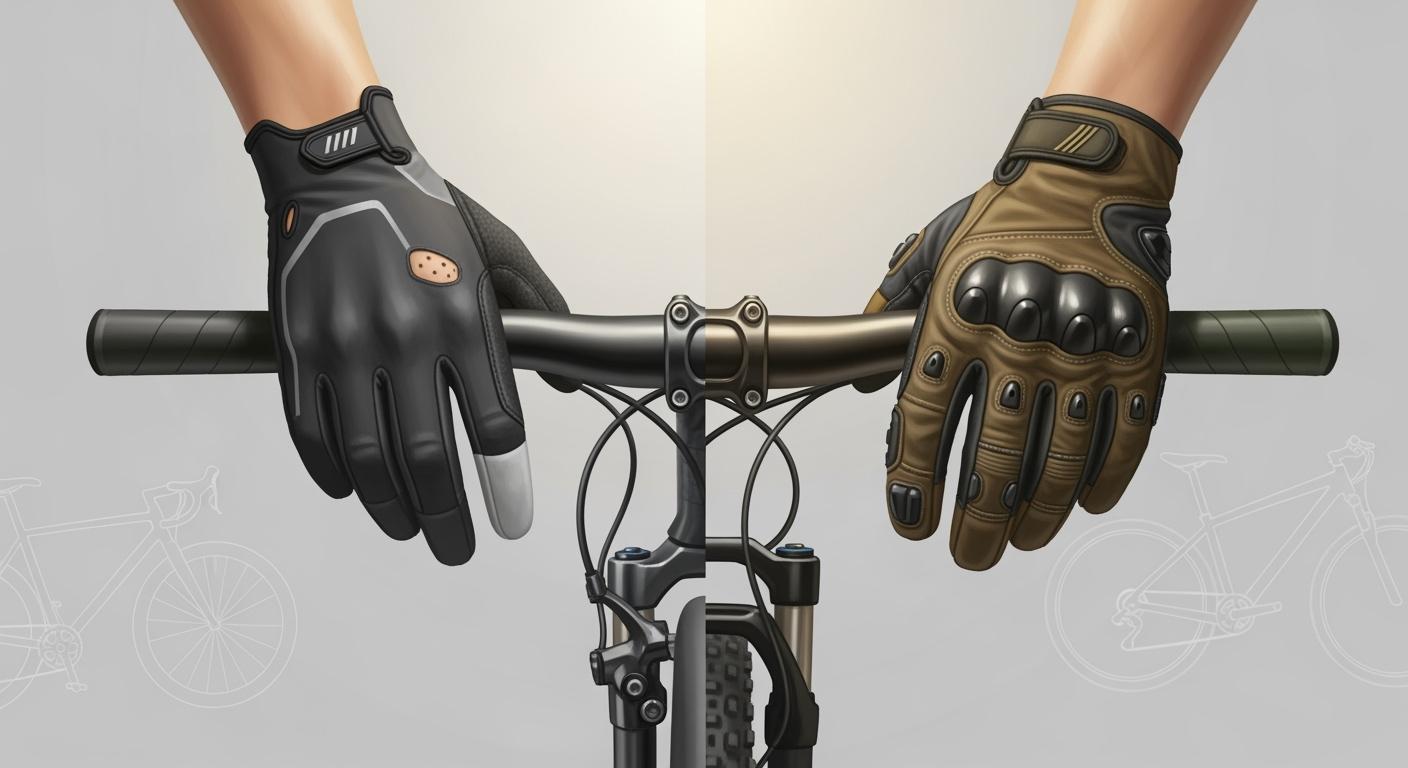
The best biking gloves for you depend on what you need. If you want the most protection, mountain biking gloves are best. They cover your whole fingers and have thick padding. If you want comfort and cool hands, road biking gloves are better. They help your hands stay cool on long rides. How you ride and where you ride are important. Padding helps protect your nerves. Materials like Lycra and Kevlar make gloves last longer. Always check if the gloves fit well and have a good grip. Wash your gloves often so they last longer.
Feature |
Why It Matters |
|---|---|
Padding |
Keeps nerves in your hands safe |
Material |
Makes gloves last and feel good |
Dexterity |
Makes it easy to use your bike |
Key Takeaways
Pick mountain biking gloves if you want the most protection. These gloves cover all your fingers. They have thick padding to protect you from falls and rough trails.
Choose road biking gloves if you care most about comfort. These gloves do not cover your fingers. They use materials that let air in. This keeps your hands cool on long rides.
Always make sure your gloves fit well. Gloves that fit snugly help you grip better. This gives you more control and makes riding safer and more fun.
Find gloves with good padding. Padding helps stop your hands from getting tired. It also keeps your hands from going numb. This lets you ride longer without pain.
Think about the weather before picking gloves. Use gloves that let air in for summer rides. Wear insulated gloves when it is cold outside.
Biking Gloves: Road vs Mountain
Protection and Padding
When you pick biking gloves, you want to know how much protection they give your hands. Road biking gloves usually have gel or foam padding on the palms. This padding helps you avoid numbness and keeps your hands comfortable during long rides. You might notice that road gloves are often fingerless. This design gives you more airflow and makes it easy to move your fingers.
Mountain biking gloves focus on keeping your hands safe from crashes and rough trails. Most mountain gloves cover your whole fingers. They often use special padding, like D3O, on the knuckles and palms. This padding helps protect you if you fall or hit branches. It also helps with shock and keeps your hands from getting tired. If you ride on rocky or bumpy trails, you will want this extra protection.
Here’s a quick look at the main differences:
Feature |
Road Bike Gloves |
Mountain Bike Gloves |
|---|---|---|
Finger Design |
Often fingerless for breathability |
Almost always full-fingered for protection |
Padding |
Gel or foam for comfort |
D3O or thick padding for impact protection |
Protection |
Some crash protection |
Extra armor for trail debris and crashes |
Grip and Materials
You need a good grip to control your bike. Road biking gloves use soft materials and smooth palms. This helps you hold the handlebars without slipping, but they do not add much texture. The focus is on comfort and reducing vibration.
Mountain biking gloves use sticky or textured palms. These gloves help you keep a strong grip, even when the trail gets rough or your hands get sweaty. The materials are tough and last longer. You will also find that mountain gloves fit snugly. This fit stops blisters and keeps your hands from sliding inside the gloves.
Mountain gloves use strong, breathable fabrics and rubbery grips.
They add padding to reduce hand fatigue.
The snug fit helps you stay in control on bumpy trails.
Breathability and Fit
Breathability matters when you ride for a long time. Road biking gloves focus on keeping your hands cool. The fingerless design and light fabrics let air move through the gloves. This helps you avoid sweaty hands and makes your ride more comfortable.
Mountain biking gloves also care about breathability, but they need to protect your hands too. The materials let air in, but the gloves still cover your fingers. You get a balance between airflow and safety. The fit is important for both types. You want gloves that feel snug but not too tight. If your gloves fit well, you can ride longer without sore hands.
You will see that different gloves for different riding styles make a big difference. If you ride on smooth roads, you might want more breathability and comfort. If you ride on trails, you need more grip and protection. Choose the gloves that match your rides, and you will enjoy biking even more.
Road Biking Gloves Features
Comfort and Shock Absorption
You want your hands to feel good on every ride. That’s why gloves for road cycling focus on comfort and shock absorption. Most road biking gloves use gel or foam padding in the palms. This padding helps soak up bumps and shakes from the road. You might notice that some gloves, like the Specialized Women's Body Geometry Dual-Gel Long Finger Gloves, use gel pads to protect your nerves. These pads keep your hands from getting numb or tired. The Trek Circuit Twin Gel Cycling Glove also uses special gel pads to support your palms and control vibration.
Not all thick padding feels better, though. Some riders say that too much gel can move around and make your hands feel strange. You might find that a glove with just the right amount of padding works best. The Bontrager Solstice Women's Gel Cycling Glove uses silicone pads to help with road vibrations. The Specialized BG Sport Gel Gloves mix gel and foam to keep your hands happy on long rides.
Here’s a quick look at what makes gloves for road cycling comfortable:
Feature |
Contribution to Comfort |
|---|---|
Breathability |
Prevents sweaty hands, enhancing grip and comfort |
Shock Absorption |
Reduces fatigue and numbness, allowing for longer rides |
Proper Fit |
Ensures gloves stay in place, providing a secure grip |
Material Choice |
Durable materials maintain comfort over extended use |
Ventilation and Moisture Control
You don’t want sweaty hands when you ride. Gloves for road cycling use smart designs to keep your hands cool and dry. Many gloves have light, stretchy fabrics that let air flow through. Some, like the C5 WINDSTOPPER, use special materials to block wind but still let heat escape. You might see gloves with tiny holes or mesh on the back to help with airflow.
Moisture-wicking linings pull sweat away from your skin. This keeps your hands dry and fresh, even on hot days. Some gloves use HeiQ Fresh odor control technology, so your gloves smell better after long rides. The Trek Evoke Mountain Bike Glove, for example, has a moisture-wicking cuff and breathable back to manage heat and sweat.
Tip: Try on different gloves for road cycling to see which ones give you the best breathability and comfort. Your hands will thank you on every ride!
MTB Gloves Features

Grip and Durability
When you ride on rough trails, you need mtb gloves that help you hold on tight. The grip on these gloves keeps your hands steady, even when the trail gets bumpy or your palms get sweaty. Many mtb gloves use special rubber patterns on the palms. These patterns help you stay connected to your handlebars. Some gloves, like the Dakine Covert, use a soft rubber compound for extra grip and to soak up vibrations. This makes your ride smoother and helps you control your bike better.
You also want your mtb gloves to last a long time. The materials in these gloves are tough. They can handle sharp rocks, branches, and dirt. Some gloves use a firm rubber compound for more durability, which is great if you ride cross-country. Others use silicone or foam for a lighter feel, but these might wear out faster.
Here’s a quick look at what makes mtb gloves great for grip and durability:
Feature |
Description |
|---|---|
Grip |
Keeps you connected to handlebars on rough terrain |
Vibration Reduction |
Reduces shaking, so your hands stay comfortable and in control |
Breathable Fabrics |
Lets your hands stay cool and dry, even on long rides |
Shock-Absorbing Padding |
Supports your grip and cuts down on hand fatigue |
Ergonomic Fit |
Fits your hand shape for better control and comfort |
Tip: If you want gloves for mountain biking that last, look for reinforced palms and strong stitching.
Full-Finger Protection
Full-finger mtb gloves give you more than just grip—they protect your whole hand. When you ride through trees or rocky paths, your fingers can get scratched or cut. Full-finger designs use a 3D rubber pattern to guard against branches and rocks. These gloves act as a shield, so you can ride with confidence.
Padding in mtb gloves also helps if you fall. It absorbs impact and keeps your hands safe from cuts and bruises. This padding can even prevent numbness and nerve pain after long rides. You get a first layer of defense every time you put on your mtb gloves.
Feature |
Description |
|---|---|
3D rubber protects from branches and rocks |
|
Protection |
Shields your hands from cuts and grazes if you fall |
Injury Prevention |
Padding absorbs shocks and helps prevent nerve damage |
If you want to ride hard and stay safe, full-finger mtb gloves are the way to go. They give you the grip, comfort, and protection you need for every trail.
Cycling Gloves Comparison
Feature Breakdown
You want to know how road and mountain biking gloves stack up. Here’s a quick table to help you see the differences:
Feature |
Road Biking Gloves |
Mountain Biking Gloves |
|---|---|---|
Padding |
Gel or foam for comfort |
Thick, impact-absorbing padding |
Finger Design |
Often fingerless for airflow |
Full-finger for protection |
Grip |
Smooth palm, less texture |
Textured, sticky palm for better hold |
Durability |
Lightweight, less rugged |
Tough materials, reinforced palms |
Touchscreen Compatibility |
Yes, easy phone use |
Yes, works for many riding styles |
Design Focus |
Comfort, vibration damping |
Performance, value, and style |
Extra Features |
Breathable back, reflective details |
Stylish look, known for fit and value |
Both types of cycling gloves offer touchscreen compatibility. You can use your phone without taking them off, no matter which style you pick.
Pros and Cons
Let’s break down what you get—and what you might not like—about each type of biking gloves.
Road Biking Gloves:
Pros:
Keep your hands cool on long rides.
Reduce road vibration and numbness.
Lightweight and easy to wear.
Cons:
Some riders find it hard to get the right amount of padding.
Too much padding can feel bulky or awkward.
Not much protection if you crash.
Mountain Biking Gloves:
Pros:
Protect your hands from branches and falls.
Give you a strong grip on rough trails.
Last longer with tough materials.
Cons:
Can feel warmer because of full-finger design.
Sometimes less breathable than road gloves.
Tip: Think about your usual ride. If you want comfort and airflow, road gloves work best. If you need protection and grip, mountain gloves are the way to go.
You can see that cycling gloves come with different strengths. Pick the pair that matches your riding style and you’ll enjoy every trip more.
Choosing Biking Gloves
Assessing Riding Style
You want gloves that match how and where you ride. Start by thinking about your usual biking style. Do you spend most of your time on smooth roads, or do you love exploring rocky trails? Your answer helps you pick the right gloves.
Here’s a quick table to help you decide:
Riding Style |
Preferred Gloves Type |
Key Features |
|---|---|---|
Road Bikers |
Half-finger gloves |
Lightweight, breathable, tight fit for control |
Mountain Bikers |
Full-finger gloves |
Added protection, suitable for rough terrain |
If you ride in the summer, look for gloves with lots of ventilation. These keep your hands cool when the sun is out. For cold weather, choose gloves with more insulation. Warm gloves protect your fingers from chilly wind.
Summer gloves: Focus on ventilation for hot weather.
Cold weather gloves: Provide greater insulation for warmth.
Road riders often like fingerless, padded gloves. These give you comfort and help with long rides. Mountain bikers usually pick gloves with less palm padding and full-finger coverage. This design protects your hands from branches and rocks.
Tip: The best way to ensure you get the right gloves is to match your glove style to your riding habits and the weather.
Sizing and Fit Tips
Getting the right size matters a lot. Gloves that fit well make your ride safer and more comfortable. Here’s what you should check:
Well-fitted gloves stay in place and protect your hands from scrapes.
Good fit lets you move your fingers easily and keeps your grip strong.
Comfortable gloves help you ride longer without sore hands.
The right fit improves your control of the bike.
Try on different sizes before you buy. Make a fist and stretch your fingers. The gloves should feel snug but not tight. If you feel any pinching or loose spots, try another size. You want gloves that move with your hands and never slip.
Note: Always check the sizing chart from the brand. Sizes can change from one company to another.
You’ve seen how road biking gloves and mountain biking gloves serve different needs. Road gloves are usually fingerless, light, and focus on breathability. Mountain gloves cover your whole hand and give you more protection from rocks and branches. If you want comfort and cool hands, go for road gloves. If you need grip and safety, pick mountain gloves. Try a few styles to see what feels best. The right gloves will make every ride better and safer.
FAQ
What size biking gloves should I get?
You should measure around your palm and check the brand’s sizing chart. Try on a few pairs if you can. Gloves should feel snug but not tight. You want to move your fingers easily.
Can I use mountain biking gloves for road cycling?
Yes, you can use mountain biking gloves on the road. You might feel warmer because of the full-finger design. If you want more airflow, road gloves work better for long rides.
How do I wash my biking gloves?
Most gloves can go in the washing machine. Use cold water and gentle soap. Air dry them. Don’t use a dryer. Check the label for special care instructions.
Do I need gloves for short rides?
Gloves help even on short rides. They protect your hands from blisters and give you a better grip. You stay more comfortable, even if you ride for just a few miles.


